Finding Hope: A Complete Guide to Drug Addiction Treatment Centers in Your State
Finding Hope: A Complete Guide to Drug Addiction Treatment Centers in Your State
Understanding addiction, recognizing the signs, and discovering the path to recovery

Image: Support group therapy session - Available on Unsplash
Understanding Drug Addiction
Drug addiction, clinically known as substance use disorder (SUD), is a chronic disease that affects the brain's reward, motivation, and memory systems. It's characterized by compulsive drug seeking and use despite harmful consequences. Addiction is not a moral failing or lack of willpower—it's a complex medical condition that requires comprehensive treatment and ongoing support.

Image: One-on-one counseling session - Available on Pexels
According to the National Institute on Drug Abuse, addiction develops when repeated drug use changes the way the brain experiences pleasure and processes information. These changes can persist long after drug use stops, which is why addiction is considered a relapsing disease and why finding the right treatment center is crucial for long-term recovery.
The Science Behind Addiction
When someone uses drugs, their brain releases large amounts of dopamine—a neurotransmitter associated with pleasure and reward. Over time, the brain adapts to these dopamine surges by producing less of it naturally or reducing the number of receptors that can receive signals. This means that a person needs more of the drug to achieve the same high, leading to tolerance and dependence.
Common Substances of Abuse
- Opioids (prescription painkillers, heroin, fentanyl)
- Stimulants (cocaine, methamphetamine, prescription ADHD medications)
- Depressants (alcohol, benzodiazepines, barbiturates)
- Hallucinogens (LSD, psilocybin, PCP)
- Cannabis (marijuana, synthetic cannabinoids)
Recognizing the Signs of Addiction
Understanding the warning signs of addiction is the first step toward seeking help. Addiction manifests differently in each person, but there are common behavioral, physical, and psychological indicators to watch for.
Behavioral Signs
- Neglecting responsibilities at work, school, or home
- Withdrawing from family and friends
- Engaging in risky behaviors while under the influence
- Continuing to use despite negative consequences
- Spending excessive time obtaining, using, or recovering from drugs
- Loss of interest in previously enjoyed activities
Physical Signs
- Changes in appetite or sleep patterns
- Sudden weight loss or gain
- Bloodshot eyes or dilated pupils
- Poor physical coordination
- Unexplained injuries or bruises
- Deterioration in personal grooming and appearance
Psychological Signs
- Mood swings and irritability
- Anxiety or paranoia
- Depression or lethargy
- Personality changes
- Lack of motivation
- Memory problems and confusion
If you or someone you love is experiencing several of these symptoms, it may be time to explore treatment options.
Types of Drug Addiction Treatment Programs
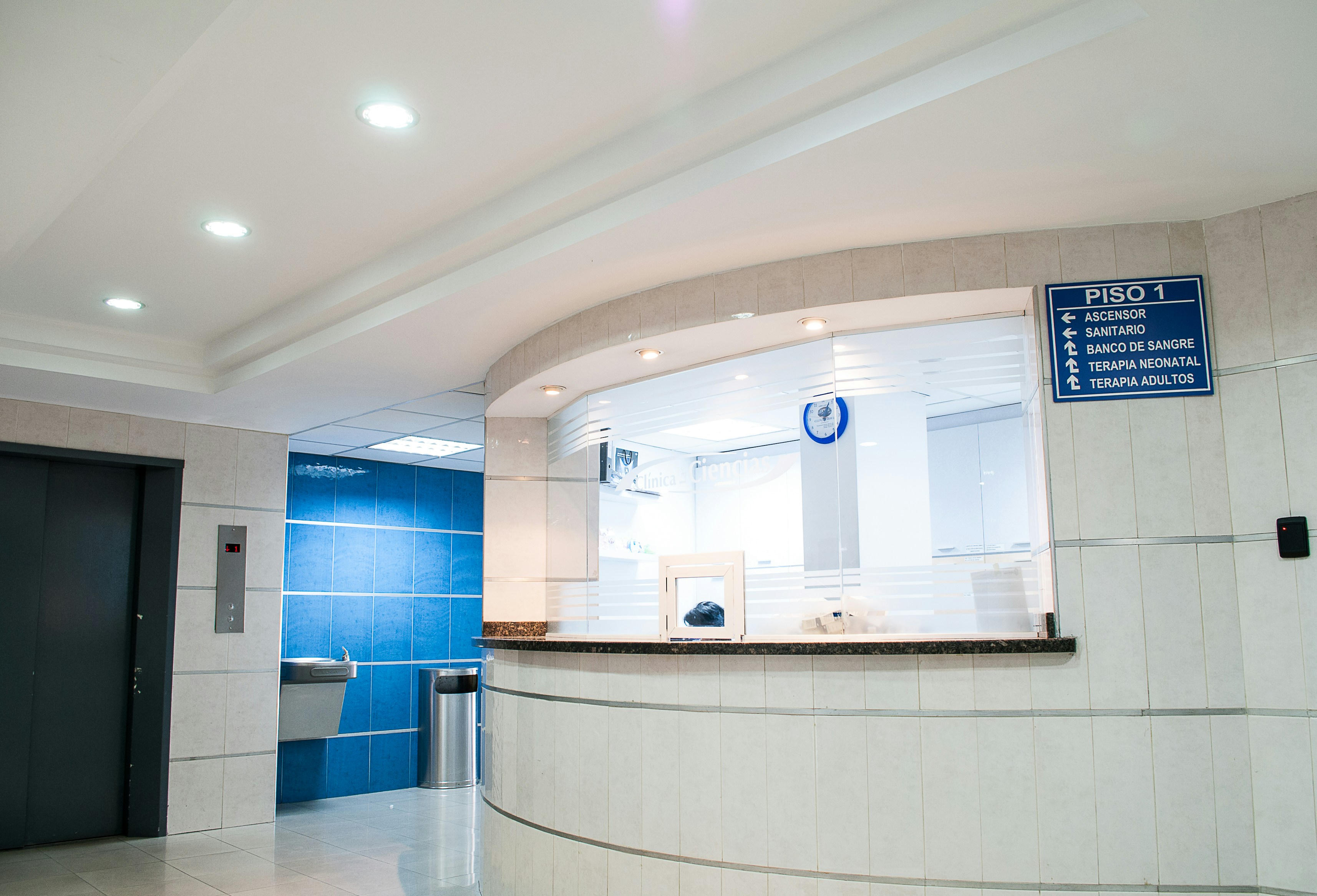
Image: Modern treatment facility - Available on Unsplash
Recovery is not one-size-fits-all. Different people respond to different treatment approaches, which is why treatment centers offer various programs tailored to individual needs, severity of addiction, and personal circumstances.
Inpatient Residential Treatment
Inpatient or residential treatment programs provide 24-hour care in a live-in facility. These programs are ideal for people with severe addictions or those who need a structured environment away from triggers and negative influences.
Duration: Typically 30 to 90 days, though some programs last six months or longer
What to Expect:
- Medical supervision and monitoring
- Individual and group therapy sessions
- Family counseling
- Life skills training
- Recreational and wellness activities
- Aftercare planning
Best For: Severe addictions, co-occurring mental health disorders, lack of stable home environment, previous failed treatment attempts
Outpatient Treatment Programs
Outpatient programs allow individuals to live at home while attending treatment sessions at a facility several times per week. This option provides flexibility for those who have work, school, or family obligations.
Types of Outpatient Programs:
- Intensive Outpatient Programs (IOP): 9-20 hours per week
- Partial Hospitalization Programs (PHP): 20+ hours per week
- Standard Outpatient: Less than 9 hours per week
Best For: Mild to moderate addictions, strong support system at home, completed inpatient treatment and transitioning to less intensive care
Detoxification Programs

Image: Medical detox support - Available on Pexels
Detoxification (detox) is the process of allowing the body to rid itself of drugs while managing withdrawal symptoms. Medical detox programs provide supervision and medication to make withdrawal safer and more comfortable.
Withdrawal Symptoms Managed:
- Nausea and vomiting
- Anxiety and depression
- Muscle aches and tremors
- Insomnia
- Seizures (in severe cases)
Medication-Assisted Treatment (MAT)
MAT combines behavioral therapy with FDA-approved medications to treat substance use disorders, particularly opioid and alcohol addiction.
Common Medications:
- For Opioid Addiction: Methadone, buprenorphine (Suboxone), naltrexone (Vivitrol)
- For Alcohol Addiction: Disulfiram (Antabuse), acamprosate (Campral), naltrexone
MAT has been shown to significantly improve treatment outcomes, reduce overdose deaths, and help people stay in treatment longer.
How to Find a Treatment Center in Your State

Image: Research and hope - Available on Unsplash
Finding the right treatment center can feel overwhelming, but there are several reliable resources and strategies to help you locate quality facilities near you.
Start With These Resources
National Helpline:
- SAMHSA National Helpline: 1-800-662-4357 (24/7, free, confidential)
- This service provides referrals to local treatment facilities, support groups, and community organizations
Online Directories:
- SAMHSA Treatment Locator
- Psychology Today Treatment Center Directory
- National Association of Addiction Treatment Providers (NAATP)
- Your state's Department of Health and Human Services website
Search by Your State
Each state has different licensing requirements, available programs, and funding options for addiction treatment. When searching for treatment centers in your state, consider:
- State-licensed facilities - Verify the facility is licensed by your state's regulatory agency
- Insurance network providers - Check which centers accept your insurance
- Geographic proximity - Consider whether you want local treatment or to travel away from home
- Specialized programs - Look for centers that treat your specific substance of abuse
- Accreditation - Seek facilities accredited by The Joint Commission, CARF, or similar organizations
Questions to Ask When Contacting Treatment Centers
- What types of treatment programs do you offer?
- Is your facility licensed and accredited?
- What is your staff-to-patient ratio?
- Do you treat co-occurring mental health disorders?
- What is the length of your program?
- What does a typical day look like?
- Do you provide aftercare or alumni programs?
- What are the costs, and do you accept my insurance?
- What is your approach to medication-assisted treatment?
- Can family members participate in treatment?
What to Look for in a Quality Treatment Facility

Image: Comfortable therapy environment - Available on Pexels
Not all treatment centers are created equal. Here are the essential qualities that distinguish effective, reputable facilities from substandard ones.
Accreditation and Licensing
Quality treatment centers hold proper state licenses and national accreditations from organizations like:
- The Joint Commission
- Commission on Accreditation of Rehabilitation Facilities (CARF)
- National Association of Addiction Treatment Providers (NAATP)
Evidence-Based Treatment Approaches
Look for facilities that use scientifically-proven treatment methods, including:
- Cognitive Behavioral Therapy (CBT)
- Dialectical Behavior Therapy (DBT)
- Motivational Interviewing
- Contingency Management
- 12-Step Facilitation
Qualified, Compassionate Staff
Effective treatment centers employ licensed professionals, including:
- Board-certified addiction psychiatrists
- Licensed clinical social workers (LCSW)
- Licensed professional counselors (LPC)
- Certified addiction counselors
- Registered nurses
- Peer recovery specialists
Individualized Treatment Plans
Every person's journey with addiction is unique. Quality facilities conduct comprehensive assessments and create personalized treatment plans that address:
- The specific substance(s) used
- Co-occurring mental health conditions
- Medical needs
- Family dynamics
- Cultural considerations
- Personal goals and circumstances
Comprehensive Services
The most effective treatment centers offer a full continuum of care:
- Medical detoxification
- Individual therapy
- Group counseling
- Family therapy
- Psychiatric services
- Medication management
- Life skills training
- Relapse prevention education
- Aftercare planning
Safe, Comfortable Environment
The physical environment matters. Look for facilities that provide:
- Clean, well-maintained living spaces
- Nutritious meals
- Recreational facilities
- Private or semi-private accommodations
- Safe, secure premises
Insurance Coverage and Payment Options

Image: Healthcare coverage - Available on Unsplash
The cost of addiction treatment varies widely depending on the type of program, duration, and location. However, treatment is often more affordable than many people realize thanks to various payment options and insurance coverage.
Understanding Your Insurance Benefits
The Mental Health Parity and Addiction Equity Act (MHPAEA) and the Affordable Care Act (ACA) require most insurance plans to cover substance abuse treatment at the same level as other medical conditions.
What Your Insurance May Cover:
- Inpatient residential treatment
- Outpatient programs
- Partial hospitalization
- Medical detoxification
- Medication-assisted treatment
- Counseling and therapy
- Mental health services
How to Verify Coverage:
- Call your insurance company's customer service number
- Ask specifically about substance abuse treatment benefits
- Inquire about in-network treatment facilities in your state
- Find out about deductibles, copays, and coverage limits
- Ask if pre-authorization is required
Alternative Payment Options
If you don't have insurance or your coverage is limited, consider these options:
- State-Funded Programs: Many states offer free or low-cost treatment through public health departments
- Sliding Scale Fees: Some facilities adjust their fees based on your income
- Payment Plans: Many centers offer installment payment options
- Scholarships and Grants: Some treatment facilities provide financial assistance programs
- SAMHSA Grants: Federally-funded programs offer treatment to those who cannot afford it
- Medicaid: If you qualify, Medicaid covers substance abuse treatment in most states
Taking the First Step: What to Expect

Image: New beginnings - Available on Pexels
Taking the first step toward recovery is often the hardest, but knowing what to expect can ease anxiety and build confidence.
The Admission Process
Initial Contact:
When you first reach out to a treatment center, you'll speak with an admissions coordinator who will:
- Ask about your substance use history
- Inquire about your medical and mental health background
- Discuss your treatment goals
- Explain program options
- Verify insurance coverage
- Schedule an assessment appointment
Assessment:
A comprehensive assessment evaluates:
- Severity of addiction
- Physical health status
- Mental health conditions
- Social support system
- Previous treatment history
- Motivation for change
This information helps create your personalized treatment plan.
The First Few Days
The initial days in treatment focus on:
- Medical stabilization (if needed)
- Orientation to the facility and rules
- Meeting your treatment team
- Beginning the detox process (if applicable)
- Starting individual therapy
- Settling into the routine
Building Your Recovery Foundation
As treatment progresses, you'll work on:
- Understanding the root causes of your addiction
- Developing coping strategies for cravings and triggers
- Learning to manage emotions without substances
- Repairing relationships
- Building a support network
- Creating a relapse prevention plan
- Preparing for life after treatment
Supporting a Loved One Through Recovery

Image: Support and connection - Available on Unsplash
If someone you care about is struggling with addiction, you play a crucial role in their recovery journey. Here's how you can help while also taking care of yourself.
How to Approach the Conversation
- Choose a time when your loved one is sober and calm
- Express your concern from a place of love, not judgment
- Use specific examples of how their addiction has affected them and others
- Avoid blaming or shaming language
- Be prepared for denial or defensiveness
- Offer specific help, such as researching treatment options or making calls
- Set boundaries for your own wellbeing
During Treatment
Ways to Support:
- Participate in family therapy sessions when invited
- Write encouraging letters or cards
- Respect treatment center rules and visiting hours
- Educate yourself about addiction and recovery
- Avoid enabling behaviors
- Take care of practical matters (childcare, pet care, bills)
- Be patient—recovery is a process
After Treatment
Ongoing support is essential for sustained recovery:
- Attend family support groups (Al-Anon, Nar-Anon)
- Help create a drug-free home environment
- Support their participation in aftercare programs
- Learn to recognize warning signs of relapse
- Celebrate milestones and progress
- Encourage healthy activities and friendships
- Be prepared for setbacks without judgment
Taking Care of Yourself
Supporting someone with addiction can be emotionally draining. Remember to:
- Set and maintain healthy boundaries
- Seek your own therapy or counseling
- Join a support group for families
- Practice self-care activities
- Acknowledge your own feelings
- Avoid taking responsibility for their recovery
- Remember that you cannot control their choices
Frequently Asked Questions
Treatment duration varies based on individual needs and severity of addiction. Standard programs range from 30 days to 90 days for inpatient treatment, while outpatient programs may last several months to a year. Research shows that treatment lasting at least 90 days is associated with better outcomes.
Yes. Federal laws (42 CFR Part 2 and HIPAA) protect the privacy of people seeking treatment for substance use disorders. Treatment facilities cannot disclose your information without your written consent, except in specific legal circumstances.
Relapse is common and doesn't mean treatment failed. Addiction is a chronic condition, and relapse can be part of the recovery journey. If relapse occurs, reach out to your treatment team immediately, return to support groups, and consider additional treatment. Each attempt at recovery provides valuable learning experiences.
The Family and Medical Leave Act (FMLA) may protect your job if you work for a covered employer and meet eligibility requirements. Additionally, the Americans with Disabilities Act (ADA) provides some protections. Consult with your HR department about your options, and consider short-term disability if available.
Policies vary by facility. Many inpatient programs restrict phone and internet access initially to help you focus on recovery, though this usually relaxes as treatment progresses. You can typically bring personal hygiene items, comfortable clothing, and photos, but policies on electronics, valuables, and other items differ.
No. This is a harmful myth. The earlier you seek treatment, the better your chances for successful recovery with fewer negative consequences. You don't need to lose everything before getting help—treatment is most effective when you seek it proactively.
Treatment works when people stay engaged in the process. According to the National Institute on Drug Abuse, 40-60% of people who complete treatment remain substance-free, similar to success rates for other chronic diseases like diabetes or hypertension. Ongoing participation in aftercare significantly improves long-term outcomes.
Resources and Helplines

Image: Reaching for help - Available on Pexels
National Hotlines (24/7, Free, Confidential)
SAMHSA National Helpline: 1-800-662-4357
- Treatment referrals and information services
Crisis Text Line: Text HOME to 741741
- 24/7 support via text message
988 Suicide & Crisis Lifeline: 988
- For immediate crisis support
Poison Control Center: 1-800-222-1222
- For drug overdose emergencies
Online Resources
- SAMHSA Treatment Locator - Find treatment facilities near you
- SAMHSA Buprenorphine Practitioner Locator - Find MAT providers
- National Institute on Drug Abuse - Science-based addiction information
- Substance Abuse and Mental Health Services Administration - Federal agency resources
- Partnership to End Addiction - Support for families
- Alcoholics Anonymous - 12-step program for alcohol addiction
- Narcotics Anonymous - 12-step program for drug addiction
- SMART Recovery - Science-based mutual support groups
State Resources
Visit your state's Department of Health and Human Services or Department of Mental Health website for:
- State-licensed treatment facilities
- Publicly-funded treatment options
- State-specific helplines
- Local support groups
- Prevention and education resources
Conclusion: Your Journey to Recovery Starts Now
Seeking treatment for drug addiction is one of the bravest and most important decisions you can make. While the journey ahead may seem daunting, thousands of people successfully overcome addiction every day with the right support and treatment.
Remember these key points:
- ✓ Addiction is a disease, not a character flaw - You deserve compassionate, evidence-based care
- ✓ Treatment works - With commitment and support, recovery is possible
- ✓ You're not alone - Millions have walked this path before you and found lasting recovery
- ✓ Help is available - Treatment centers in every state offer programs designed to meet your unique needs
- ✓ There's no perfect time to start - Today is the right day to reach out for help
- ✓ Recovery is a journey - Progress matters more than perfection
Whether you're seeking treatment for yourself or helping a loved one, take that crucial first step today. Call the SAMHSA National Helpline at 1-800-662-4357 or use the treatment locator to find quality addiction treatment centers in your state.
Your new life in recovery is waiting. You have the strength to reclaim it.
Disclaimer: This article is for informational purposes only and does not constitute medical advice. If you're experiencing a medical emergency or are in immediate danger, call 911. Always consult with qualified healthcare professionals about your specific situation.
About the Images
All images suggested in this article are available royalty-free from:
- Unsplash.com - Free high-quality images with no attribution required
- Pexels.com - Free stock photos with no attribution required
Search terms: "addiction recovery," "support group," "therapy," "hope," "healing," "mental health support"
Last Updated: October 2025